Trees, Sunshine, and Safer Wildlife: Practical Eco Wins From Syria to Baltimore
Community reforestation, new Iraqi solar plants, and wildlife vaccination efforts show people restoring land, power, and animal health with concrete local work.
Today’s Progress
From a former war zone to a U.S. city and a sun-rich grid under strain, several efforts this year put trees, renewable electricity, and animal health on the ground rather than only on wish lists.
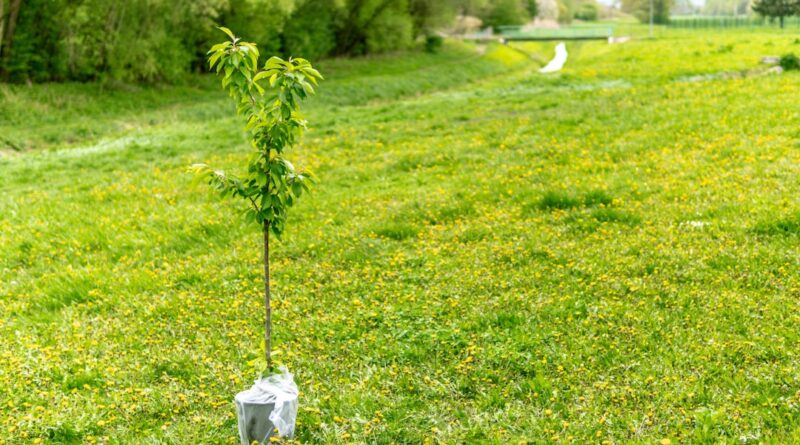
In Syria, volunteers have been restoring forests damaged by conflict, logging, and wildfires. According to Bluedot Living, local residents, schoolchildren, the Syrian Civil Defense (White Helmets), and volunteer groups have joined reforestation and land rehabilitation. Volunteer Walid Al-Hassan described planting as a “message of hope,” saying reforestation days have become social gatherings that bring youth and families together.
In Baltimore, the Baltimore Tree Trust has planted more than 23,000 trees across 199 neighborhoods, Bluedot Living reports. Urban canopy work there aims at cooler streets, less stormwater runoff, carbon uptake, and cleaner air—benefits long documented for city forests. Separate coverage has also described large tree-planting pushes in underserved Baltimore communities through public and utility partnerships.
In Iraq, industrial solar is moving from plan to power. pv magazine reported that trial operation began on the first unit of a roughly 1 GW Basra solar plant led with TotalEnergies and partners, with full commissioning expected later in the decade. Shafaq News reported the Shams Basra project beginning operations at 250 MW. DW noted a Karbala plant that started in late 2025 and a national aim to grow solar capacity substantially by 2030, against a backdrop of summer blackouts and heavy fossil dependence.
On wildlife health, a June 2026 Works in Progress essay traced how oral vaccines and clever baiting—once including a reimagined “coyote getter” that had been built to kill—grew into tools meant to spare wild animals from devastating disease and to reduce spillover risk to people. Oral rabies vaccination campaigns for foxes, raccoons, and other species are an established public-health practice in several countries; the piece argues for wider use where disease still threatens wildlife and communities.
Why This Matters
Trees planted in damaged Syrian landscapes and heat-prone Baltimore blocks deliver local shade, soil hold, and civic gathering now, not only abstract climate accounting. Iraqi megawatts already entering trial or early operation can ease household blackouts if they stay online and expand. Wildlife vaccination, where it works at scale, protects animals from painful disease and lowers human exposure to pathogens such as rabies.
These are different scales—neighborhood crews, national power projects, multi-decade vaccine science—but each links a clear action to a beneficiary: residents breathing cooler air, families needing light and cooling, and wild populations plus the people who live near them.
Evidence and Context
Strength varies by thread. Baltimore’s cumulative tree count and neighborhood reach come from Bluedot’s account of the Tree Trust’s work; independent local reporting confirms active canopy programs, though GNN did not obtain a fresh primary audit of the exact 23,000 figure. Iraq’s solar milestones are corroborated by trade and regional outlets with named plants and megawatt figures; renewables remain a small share of Iraq’s mix, and full Basra build-out is still years away. Syria’s reforestation is reported through Bluedot’s summary and a volunteer quote; independent project totals, survival rates, and mapped hectares were not available in sources reviewed for this article. Wildlife oral vaccination has a long demonstrated record for some species and diseases; expanding it further is partly a policy and logistics challenge, not a brand-new invention.
Trade-offs remain: young trees need water and care; solar plants need grid upgrades and fair access to power; vaccine baits must reach target species without harming others.
What Made This Possible
Community organizing and civil-society groups (including White Helmets volunteers in Syria and a dedicated tree nonprofit in Baltimore) lowered the barrier to planting. In Iraq, government targets, foreign energy partners, and extreme summer demand pushed large solar units into trial. In wildlife health, decades of veterinary and public-health research turned failed kill-devices and lab ideas into edible baits animals will take.
Progress Toward Global Goals
Where trees improve local environmental quality and participation in restoration, work aligns with SDG 15 (Life on Land) and aspects of SDG 11 (Sustainable Cities and Communities). Iraqi solar entering operation supports SDG 7 (Affordable and Clean Energy) to the extent households gain reliable, lower-carbon supply. Effective wildlife vaccination that cuts rabies and similar threats supports SDG 3 (Good Health and Well-being) for people and reduces animal suffering. No UDHR article is claimed as a direct legal outcome here.
Building on This Success
The following possibilities were generated with the assistance of AI to explore how this progress might be improved, expanded, or adapted. They are ideas for further investigation, not established findings or recommendations from the people featured in the original reporting.
Open data on seedling survival in Syrian plots could help donors fund what actually grows. Baltimore-style tree trusts might pair plantings with multi-year watering crews measured by canopy cover and summer temperature sensors on the same blocks. Iraqi solar expansions could publish neighborhood-level outage hours before and after interconnection as a public reliability test.
How are local tree crews, new Iraqi solar plants, and wildlife vaccines delivering measurable help to people, places, and animals?
Through three lenses—restoration labor, grid substitution, and disease ecology—the common pattern is tangible delivery: hands in soil, electrons on a wire, immunity in a wild population. The obstacle is durability: drought and conflict for saplings, transmission and subsidies for solar, bait uptake and funding for vaccines. A fair test is public metrics within two to five years—tree survival and local heat, outage duration near new solar nodes, and documented drops in target wildlife disease where baiting runs.
Three Promising Next Steps
- Publish survival dashboards for community reforestation — Municipalities and NGOs (actors) could release simple annual counts of trees still alive after two summers (mechanism), overcoming the obstacle of one-day planting publicity; success test: ≥60% survival on sampled plots.
- Tie Iraqi solar interconnection to outage reporting — The electricity ministry and plant operators could report pre/post blackout hours in served districts; obstacle is opaque grid data; test: measurable summer peak reduction in those districts within one year of full unit operation.
- Expand oral vaccine corridors with species-specific baits — Wildlife agencies could adapt bait design where uptake is low (e.g., skunks); obstacle is cost and non-target theft of baits; test: seroprevalence above control thresholds in target species after a defined campaign season.
What Readers Can Watch
- Whether Syrian volunteer planting continues with transparent hectare and survival figures from local or international partners.
- Baltimore canopy maps and any update past the reported 23,000-tree mark from Baltimore Tree Trust or city open data.
- Basra and Karbala solar units moving from trial megawatts to sustained grid contribution, and Iraq’s renewable share versus the low 2024 baseline.
- New oral-rabies or other wildlife vaccine campaigns and peer-reviewed results on disease incidence.
What Readers Can Do
Readers near urban planting programs can join scheduled tree-care or watering days through local nonprofits such as Baltimore Tree Trust when those groups list volunteer shifts. Support for verified reforestation and wildlife-health NGOs should go through organizations that publish methods and results—not unaudited viral fundraisers.