Open-sea bacteria treatments improve heat-stressed coral health in the Red Sea
Today’s Progress
Scientists at King Abdullah University of Science and Technology (KAUST) in Saudi Arabia have reported the first open-sea use of probiotic and postbiotic microbial treatments that improved coral health under natural heat stress.
In a 15-day field experiment during a 2022 summer heat wave, the team treated Acropora cf. valida colonies on a central Red Sea reef while daily average seawater temperatures ran from about 30.9°C to 31.9°C (87.6°F to 89.5°F). They isolated beneficial bacterial strains from healthy Red Sea corals, prepared two live probiotic mixes and matching inactivated postbiotic versions, and applied them in situ.
Coral condition was tracked by colony color—pale or white tissue signals bleaching—and by the photosynthetic efficiency of the symbiotic algae living inside the animals. After 15 days, one probiotic formula and one postbiotic formula produced statistically significant gains on those measures, according to coverage of the peer-reviewed study in Cell Reports and a Cell Press release on EurekAlert.
Genetic and metabolic analyses showed the treatments reshaped the corals’ microbial communities and metabolism in different ways. Postbiotic-treated colonies, for example, carried higher levels of Cobetia bacteria linked to heat tolerance. Co-lead author Erika Santoro, a postdoctoral fellow in KAUST’s Marine Microbiomes Lab, and marine science professor Raquel Peixoto led the work on a central Red Sea reef; KAUST’s field infrastructure includes the Coral Probiotics Village on Al Fahal Reef.
Earlier aquarium trials had already suggested probiotics can help corals under heat stress. Demonstrating comparable benefit in open water during an actual marine heat wave had remained a major gap; this study closes that gap for selected formulas and one coral type.
Why This Matters
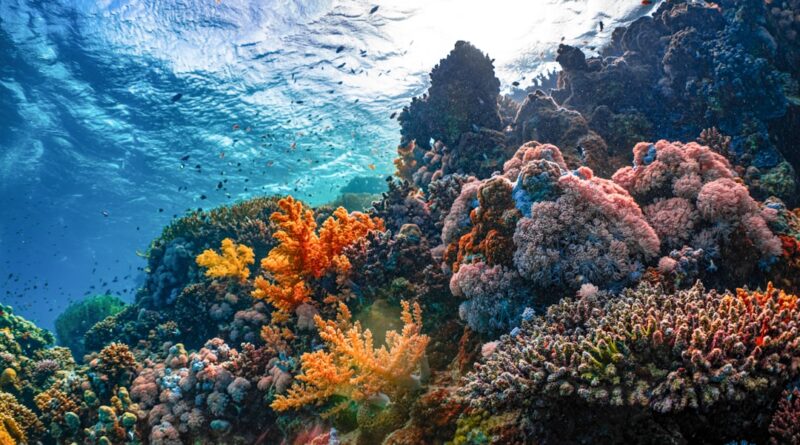
Warming seas drive mass bleaching events that strip reefs of the algae corals need for energy. Reefs support at least a quarter of marine life. A field-tested microbial treatment that measurably supports coral health during heat stress adds a potential option alongside other restoration methods, though further testing is needed before operational use.
The postbiotic result is especially practical. Inactivated formulations can store and ship more easily and may cost less to produce than live cultures, which could matter if managers ever try larger-scale applications. The benefit shown here is short-term health improvement under stress, not long-term reef recovery or climate mitigation.
Evidence and Context
The evidence is a controlled field trial with clear endpoints (color and photosynthetic efficiency) and supporting molecular data, published in Cell Reports. Strengths include open-ocean conditions, a natural heat wave, and parallel testing of live and inactivated products. Limits are real: the trial lasted 15 days; only one of two formulas in each category succeeded; the work focused on one Acropora form in the Red Sea; and mechanisms, especially for postbiotics, are not fully explained. Scaling safety, duration of benefit, and performance on other species or reefs remain open questions. The study does not claim reefs were permanently restored.
What Made This Possible
Prior lab work on coral probiotics, Red Sea corals’ natural heat-adapted microbiomes, and KAUST’s dedicated field infrastructure (including the Coral Probiotics Village) provided a basis for an open-water trial. Isolating local beneficial strains may have helped bridge the leap from aquarium to reef.
Progress Toward Global Goals

The demonstrated improvement in coral condition under thermal stress aligns with SDG 14 (Life Below Water) by supporting reef organism health. It also supports adaptive capacity relevant to SDG 13 (Climate Action) without reducing the need to cut emissions. No SDG conflict is evident from the reported outcomes.
Building on This Success
The following possibilities were generated with the assistance of AI to explore how this progress might be improved, expanded, or adapted. They are ideas for further investigation, not established findings or recommendations from the people featured in the original reporting.
Longer monitoring windows, multi-species trials, and standardized delivery methods could test whether short-term gains translate into higher survival across bleaching seasons. Partnerships between marine labs and reef managers might trial postbiotic batches where cold-chain logistics are limited, measuring bleaching scores and symbiont performance against untreated controls.
How did probiotic and postbiotic bacteria improve Red Sea coral health during an open-ocean heat wave?
Through a 15-day in-situ experiment on heat-stressed Acropora colonies, KAUST researchers applied locally isolated beneficial bacteria—live or inactivated—and recorded better tissue color and algal photosynthetic efficiency for one formula of each type, alongside shifts in coral microbiomes that included more heat-tolerance-associated Cobetia in postbiotic treatments.
Three Promising Next Steps
- Extended field follow-up — Reef science teams could resurvey the same colonies over subsequent seasons to test whether 15-day gains persist; success metric: lower bleaching severity versus matched untreated controls after the next heat event.
- Cross-species dose trials — Labs working with other reef-building genera could replicate the probiotic/postbiotic pairs under comparable heat stress; metric: significant improvement on color and photosynthetic efficiency in at least one additional genus.
- Shelf-stable postbiotic logistics — Conservation groups and suppliers could pilot storage and transport of inactivated formulas without continuous cold chain; metric: retained efficacy after defined storage periods in side-by-side reef applications.
What Readers Can Watch
- Follow-on papers from KAUST’s Marine Microbiomes Lab and Cell Reports on mechanism and duration of benefit.
- Independent replications on other reefs or coral species during natural heat waves.
- Any regulatory or management guidance on safe field use of coral microbial therapies.