Wolves Help Blueberries Take Root Across Northern Minnesota
A University of Minnesota–linked study finds blueberry seeds that pass through gray wolves germinate faster and more successfully, then travel farther across the boreal forest.
Today’s Progress
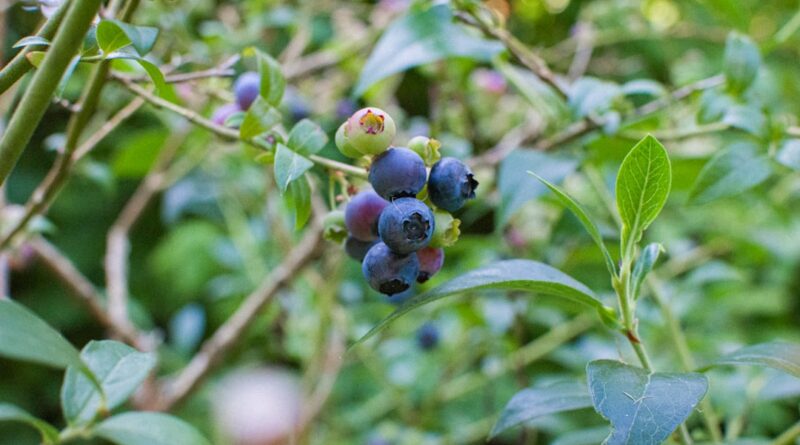
New research from the Voyageurs Wolf Project shows that gray wolves in northern Minnesota do more than eat blueberries during lean summer weeks. Seeds that pass through a wolf’s digestive system germinate faster and at higher rates than seeds collected by hand from the same patches, and the animals carry those seeds across long distances in their scat.
Researchers compared seeds recovered from wolf scat with seeds taken directly from wild blueberries in the same woods. Wolf-digested seeds germinated about 22 to 27 percent faster and showed germination success roughly 5 to 27 percent higher, according to a research summary reported by KSTP and the Minnesota Star Tribune. In lab tests highlighted by the Star Tribune, seeds from scat were about 27 percent more likely to germinate and began growing roughly a week earlier than handpicked seeds.
The effect does not appear to come from fertilizer in the scat. Project lead Tom Gable told the Star Tribune that seeds do not remain in the droppings long enough for that. Researchers instead suspect digestion scrapes or weakens the seed coat, helping the seed take up water and respond to germination cues once it reaches the ground.
Scale matters. An average blueberry-filled wolf scat contains more than 20,000 seeds—about 20,415, the project reported. Wolves deposit berry-rich scat across the landscape during the five- to seven-week window from mid-July into mid-August, when blueberries ripen and deer are harder to catch. Because wolves travel far each day, they can move seeds well beyond the original patch.
“This shows that there is a benefit to blueberry seeds in getting eaten by a wolf,” Gable said, noting the animals’ ability to disperse seeds over long distances. Colleague Gross added that the work highlights an underappreciated plant-nurturing role for animals usually viewed only as carnivores.
The findings were reported in late August 2026 by MPR News, the Star Tribune, and KSTP, drawing on the Voyageurs Wolf Project’s research summary. The project is based at the University of Minnesota and works in and around the Greater Voyageurs Ecosystem.
Why This Matters
Blueberries feed people, bears, birds, and many other species across the boreal forest. Anything that improves how their seeds sprout and where they land strengthens a food source that already sustains wildlife through a critical summer period.
The result also reframes wolves’ ecological role. Wolves still live mainly on deer, beaver, and fish, yet the study documents a concrete plant benefit: higher germination odds plus long-distance dispersal. That chain—from foraging to digestion to seed fate—links a large predator to forest understory health without requiring any new human intervention.
Evidence and Context
The evidence is experimental and field-grounded: seeds from verified wolf scat versus hand-collected seeds from the same blueberry areas, grown under controlled comparison. Reported gains in speed (about a week earlier; 22–27 percent faster) and success (5–27 percent, with one figure near 27 percent more likely) are consistent across the Star Tribune and KSTP accounts of the project summary.
Limits remain. The work is the first to test how wolf digestion affects the seeds wolves eat; longer-term field survival of seedlings, exact scarification chemistry, and how often wolf-dispersed plants establish under natural competition are not fully settled in the news coverage. Nutrient enrichment from scat was ruled out as the main driver for the germination boost itself. The benefit is real in the lab and plausible at landscape scale, but it is one pathway among many that already move blueberry seeds.
What Made This Possible
Years of GPS collar work, scat surveys, and diet studies by the Voyageurs Wolf Project revealed that packs routinely gorge on blueberries when prey is scarce. That observational foundation made a targeted germination experiment possible. University of Minnesota researchers, including Gable, and partners working in northern Minnesota’s wolf range turned a known summer diet oddity into a measurable plant-propagation finding.
Progress Toward Global Goals

The demonstrated link between a native predator and improved seed performance supports SDG 15 (Life on Land) by clarifying a mechanism that can sustain plant communities and the species that depend on them. No SDG conflict is evident from the reported results.
Building on This Success
The following possibilities were generated with the assistance of AI to explore how this progress might be improved, expanded, or adapted. They are ideas for further investigation, not established findings or recommendations from the people featured in the original reporting.
How does wolf digestion improve blueberry seed germination and long-distance spread in northern Minnesota?
Wolf gut passage appears to scarify blueberry seed coats, raising germination speed and success, while daily travel moves tens of thousands of seeds per scat far from parent plants—an ecological service documented by the Voyageurs Wolf Project in northern Minnesota.
Through a seed-fate and landscape-genetics lens, researchers could pair germination trials with seedling surveys along known wolf travel corridors to test whether wolf-dispersed plants show higher establishment and greater genetic mixing than bird- or mammal-dispersed cohorts. The measurable test would be comparative seedling density and relatedness at fixed distances from source patches over multiple seasons.
Through a predator-conservation and berry-habitat lens, land managers could examine whether protecting wolf packs in blueberry-rich ridges coincides with denser or more resilient berry stands, using before-after or paired-site berry cover and wildlife forage data as the test—without assuming causation from correlation alone.
Three Promising Next Steps
- Field establishment trials — Voyageurs Wolf Project or University of Minnesota partners plant matched cohorts of wolf-passed and control seeds in forest plots and track survival past the first winter; success metric: percent live seedlings at 12 months.
- Multi-species comparison — Test whether black bear or other frugivore digestion produces similar germination gains on the same blueberry stock; metric: side-by-side germination rate and days-to-sprout.
- Dispersal mapping — Combine GPS wolf paths with scat seed counts to estimate kilometers of effective seed transport per pack per berry season; metric: median and maximum dispersal distance with viable seeds.
What Readers Can Watch
- Peer-reviewed publication of the full germination methods and statistics from the Voyageurs Wolf Project.
- Follow-up field studies on seedling survival after wolf dispersal.
- Whether similar seed-benefit patterns appear for other fruits in wolf diets elsewhere in the boreal zone.
- Management discussions that treat large carnivores as potential plant-dispersal partners, not only as predators of ungulates.
What Readers Can Do
- Follow the Voyageurs Wolf Project’s public research updates for primary data releases.
- Support science-based wolf and habitat monitoring in northern Minnesota through established conservation and university channels when opportunities are verified.