Turkmenistan Begins Plugging Methane Mega-Leaks After UN Satellite Alerts
UN data show the Central Asian state has stopped eight super-emitter leaks at ageing oil and gas sites, a first step after years as the world’s worst hotspot for the potent greenhouse gas.
Today’s Progress
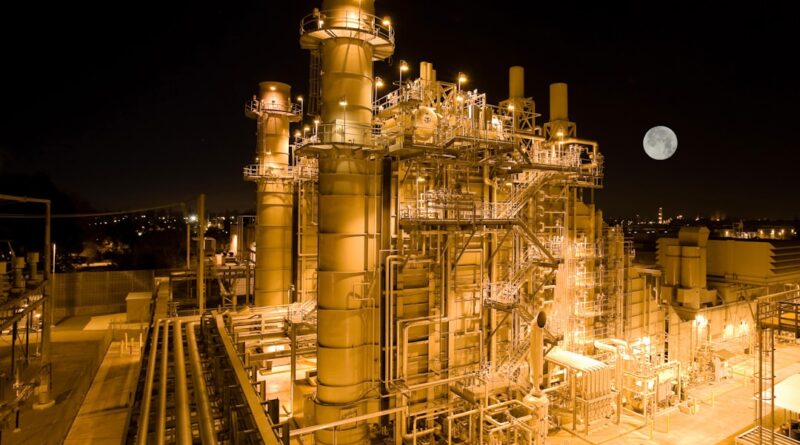
Turkmenistan has begun repairing major methane leaks at ageing oil and gas facilities, according to the latest data from the United Nations Methane Alert and Response System (MARS). The Guardian reported on 31 August 2026 that the secretive Central Asian state has stopped eight leaks by fixing corroded pipes, faulty wells and failing flares—work the UN described as an “incredible first step.”
Methane traps roughly 80 times more heat than carbon dioxide over a 20-year period and accounts for about a quarter of current global heating. Because it breaks down in the atmosphere far faster than CO2, cutting leaks can deliver relatively rapid climate benefits. Experts have long called methane abatement a climate “emergency brake.”
In 2023, The Guardian revealed that Turkmenistan ranked worst worldwide for methane mega-leaks. Emissions from its two main fossil-fuel fields in 2022 caused more global heating than the United Kingdom’s entire annual carbon dioxide emissions. That reporting, sources in Ashgabat later said, was a “critical step” that pushed the government to engage the UN, the EU and other partners. Turkmenistan joined the Global Methane Pledge in December 2023.
MARS, run by UNEP’s International Methane Emissions Observatory, uses satellite data and analyst review to detect large plumes and notify governments. In the past year it sent Turkmenistan 192 alerts. The country still held three of the six worst leaks detected worldwide in the prior six months and nine of the top 50, yet it responded to roughly 20 percent of alerts with on-the-ground information and repair plans. By contrast, the United States received 138 alerts and, according to the same reporting, responded to none and fixed no leaks in that period; Iran, Russia and China also recorded zero responses.
One documented success: a leak in Lebap province was plugged in March after a corroded pipe was repaired, with satellite monitoring confirming emissions had ended. Earlier in 2026, UNEP analysis cited by The Chemical Engineer found six significant sources had stopped emitting following MARS alerts that year, including three in Turkmenistan.
Why This Matters
Methane super-emitters—sites releasing tonnes of the gas per hour—can heat the planet more than a million SUVs or an entire coal-fired power station while they run. Ending even a handful of such leaks removes a concentrated source of near-term warming without waiting for full energy-system transformation.
The benefit here is environmental: fewer tonnes of a short-lived, high-potency greenhouse gas entering the atmosphere. Commercial value of captured gas and any diplomatic credit are secondary. The work remains early. Turkmenistan continues to host some of the world’s worst remaining plumes, and most MARS alerts still go unanswered. Verified stops of eight leaks do not yet equal a national turnaround, but they establish that satellite detection plus government response can close individual super-emitters in a previously unresponsive jurisdiction.
Evidence and Context
Evidence strength is promising and early. MARS only records a fix after on-site claims are checked against continued satellite observation showing emissions have ended. That standard underpins the eight stopped leaks and the Lebap example. Independent coverage in May 2026 had already noted three Turkmen sources among six global stops that year.
Limits are clear. Response rates near 20 percent leave the large majority of alerts without reported action. Turkmenistan still dominated recent worst-leak rankings. Authoritarian opacity makes independent ground verification difficult. Past official claims of rapid local repairs have not always matched satellite tallies of ongoing mega-leaks. Trade-offs include continued dependence on oil and gas infrastructure; leak repair reduces waste and climate harm from existing assets but does not retire fossil capacity.
Dan Grossman of the Environmental Defense Fund called responses from Turkmenistan and Kazakhstan “much-needed good news in the global effort to minimise methane pollution,” while stressing the scale of remaining hotspots.
What Made This Possible
Public satellite journalism in 2023 raised international pressure. Turkmenistan’s subsequent engagement with UNEP, the IEA and the EU, its Global Methane Pledge accession, and designation of channels to receive MARS notifications created a pathway from detection to repair. MARS’s AI-assisted multi-satellite screening, dual analyst review, and post-fix monitoring supplied actionable, verifiable alerts. Relatively low-cost fixes—pipe replacement, well work, flare restoration—made technical response feasible once political attention arrived.
Progress Toward Global Goals
The development aligns with SDG 13 (Climate Action) by reducing emissions of a major short-lived climate pollutant through verified abatement at known super-emitter sites. No UDHR article is directly engaged. The work does not undermine other SDGs; it leaves fossil extraction in place while cutting avoidable pollution from it.
Building on This Success
The following possibilities were generated with the assistance of AI to explore how this progress might be improved, expanded, or adapted. They are ideas for further investigation, not established findings or recommendations from the people featured in the original reporting.
Higher response rates could follow if Turkmen state operators published repair timelines against each MARS ID and allowed third-party satellite labs to audit closures quarterly. Neighbouring producers with similar Soviet-era infrastructure might adopt the same alert-to-repair workflow if UNEP and regional partners ran joint technical workshops tied to measurable plume reductions. International finance could condition gas-sector support on verified MARS closure rates rather than pledges alone, tested by year-on-year counts of confirmed stops versus new detections.
How did UN satellite alerts help Turkmenistan start fixing its methane mega-leaks?
Scrutiny of “mind-boggling” national leak totals in 2023, followed by MARS plume-level notifications, gave Turkmen authorities specific sites and a public record of inaction. Once the government began answering a share of those alerts and completing repairs that satellites could confirm, eight super-emitters left the active list—an early, measurable shift from denial or silence toward documented abatement.
Three Promising Next Steps
- Publish closure dashboards — Türkmengaz and Türkmennebit, with UNEP IMEO, could list every MARS alert, response date, and satellite-confirmed stop so independent analysts can track the remaining gap between detections and fixes.
- Prioritise the worst plumes first — Focus crews on the sites still ranking in the global top six and top 50, using hourly leak-rate estimates to maximise tonnes avoided per repair.
- Peer exchange with high-response countries — Technical exchanges with Mexico, Brazil or Argentina—which report near-100 percent MARS response rates—could transfer operational practices that raise Turkmenistan’s reply and fix rates above 20 percent.
What Readers Can Watch
- Whether MARS monthly tallies show rising numbers of Turkmen leaks marked “emissions ended” versus new detections.
- Whether Turkmenistan’s share of the world’s worst plumes falls in the next six to twelve months of satellite rankings.
- Whether the United States, Iran, Russia and China begin responding to MARS alerts after public comparison with Turkmenistan’s partial engagement.
- Expansion of MARS beyond oil and gas into coal and waste, and any Turkmen participation in those sectors.
What Readers Can Do
Readers can follow UNEP IMEO and MARS public updates, support independent satellite methane projects such as Carbon Mapper and university Stop Methane analyses, and ask national representatives whether their governments designate MARS focal points and publish response rates.