Pasco Teacher Inspires Students With Hands-On Coastal Restoration
A Pasco County high school teacher is turning field trips into real shoreline repair, welcoming teens from across the district to an estuary classroom where oyster balls and island planting fight erosion.
PORT RICHEY, Fla. — This school year, high school students from across Pasco County will again visit the Energy and Marine Center along the Salt Springs Run estuary system. There, Josh McCart, Pasco County Schools’ high school environmental resource teacher, leads hands-on lessons that cannot be copied inside four walls.
Spectrum Bay News 9 named McCart an A+ Teacher in a feature published Aug. 11, 2026, by Jorja Roman. He welcomes students from 17 high schools. Each trip mixes science with outdoor work. McCart says he hopes every visitor leaves inspired to help the environment.
The work is personal. “I came through here as a fourth-grader. I wanted to be a marine biologist the day I left here. I became an environmental scientist, so close,” McCart told Bay News 9. He is entering his 20th year of teaching and has worked at the center since 2013.
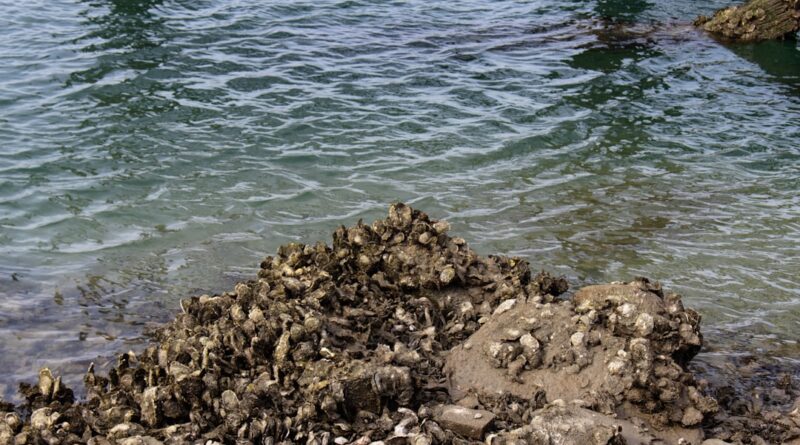
His main project is restoring Durney Key off the Port Richey coast. Over the summer, students built oyster balls for that effort. “They provide a wave break, so we’re preventing some erosion,” McCart said. “Since 2016, we’ve seen about 55 feet of that island disappear with some of our recent hurricanes.” He takes students by boat to place the oyster structures and restore plant life on the island.
Volunteer teacher Charlie Kopcho nominated McCart for the A+ recognition. “Every good teacher needs an ‘attaboy’ to keep him going,” Kopcho said. District leaders and local partners also keep the center ready so students can keep learning there for years to come.
How could student-led coastal restoration expand beyond one Florida center?
Programs like McCart’s show what becomes possible when schools treat living shorelines as both curriculum and community service. Students practice ecology, engineering, and teamwork while delivering a measurable local benefit—slowing wave energy with oyster habitat. That dual purpose could travel. Districts with access to bays, rivers, or lakes might pair environmental science classes with small restoration contracts, using the same model of short field trips from many schools into one shared outdoor hub.
Expansion would still face practical obstacles. Boat time, safety staffing, and materials for oyster structures cost money. Storm seasons can erase progress, as the 55 feet of island loss since 2016 already shows. Data that would help evaluate scale include simple before-and-after shoreline measurements, counts of students reached each year, and whether alumni later choose environmental careers or local stewardship roles—the path McCart himself followed after a childhood visit.
Elsewhere, the idea need not copy Florida oysters exactly. Inland schools could adapt living-shoreline lessons to native mussels, marsh plugs, or urban stream buffers. What travels is the structure: one resource teacher, a durable outdoor site, and rotating classes that leave something stronger than they found.
McCart’s classroom on the water is a reminder that environmental hope often starts small—one boat trip, one oyster ball, one student who decides the coast is worth protecting. Watch for more districts that give teachers the tools to turn inspiration into shoreline work students can see and touch.
Source: Spectrum Bay News 9 / Jorja Roman reporting on Pasco County A+ Teacher Josh McCart, Aug. 11, 2026.