
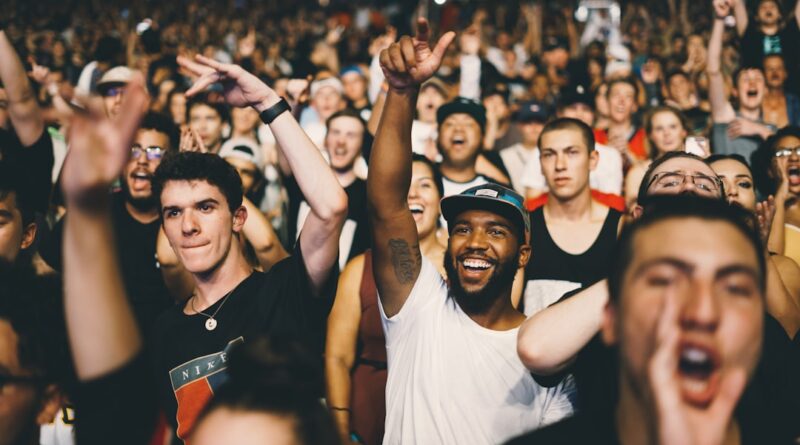
The Unifying Power of the World Cup: Fostering Connection and Belonging
Educators and communities are utilizing the global reach of the World Cup to combat social isolation and support mental well-being.
Today’s Progress
Communities, families, and educators are leveraging the 2026 World Cup to foster social connection, cross-cultural curiosity, and mental well-being. From school watch parties designed to build student belonging to public spaces that encourage shared joy, the international soccer tournament is serving as a practical tool to bring diverse groups together and combat social isolation.
Why This Matters
Loneliness is a significant global health challenge. According to a 2025 report by the World Health Organization’s Commission on Social Connection, social isolation affects one in six people worldwide. The rates are highest among adolescents aged 13 to 17, reaching 20.9 percent. Finding accessible, low-pressure ways to bring people together is critical for public health. Global events provide a natural occasion for interaction that transcends local divisions, encouraging people to engage with diverse cultures and step outside daily routines.
Evidence and Context
Health researchers note that community activities are effective interventions for youth mental health. In a recent survey highlighted by Education Week, 72 percent of young people reported joining a community group, such as a sports team, to support their mental health, with 66 percent of those finding it helpful. Researchers point out that World Cup watch parties offer a low-stakes entry point for students who might find joining a formal athletic team intimidating.
Beyond schools, the tournament provides a rare framework for shared emotional expression and global citizenship. Families are using the games to foster curiosity about other cultures; writing in the San Francisco Chronicle, one parent described how the tournament allows children to step briefly into someone else’s joy. Observers writing for Yahoo Sports note that the event creates a socially acceptable environment for men to express joy and vulnerability in public. Furthermore, the accumulation of team loyalties demonstrates how sports can expand identities rather than confine them to a single national flag, as noted in The Atlantic.
However, the unifying potential of the sport is not absolute. As reported by The New York Times, the tournament has also magnified political grandstanding, racial abuse, and geopolitical tensions, reminding audiences that global events can amplify both the best and worst of human behavior.
What Made This Possible
The scale and infrequency of the World Cup create a unique environment. Because it occurs only once every four years and revolves around national identity rather than localized club rivalries, it generates a cohesive spectator experience. This shared global focus provides a common activity that requires no prior expertise to participate, allowing people to connect over a shared occasion.
Progress Toward Global Goals
This development aligns with UN Sustainable Development Goal 3 (Good Health and Well-being) by offering community-based mechanisms to support mental health and reduce social isolation.
Building on This Success
The following possibilities were generated with the assistance of AI to explore how this progress might be improved, expanded, or adapted. They are ideas for further investigation, not established findings or recommendations from the people featured in the original reporting.
How can international sporting events be leveraged to improve community connection and youth mental health?
Three Promising Next Steps
- Cross-Disciplinary School Events: Educators could adapt the watch-party model used during the World Cup for other global events, creating low-pressure social environments for students with different interests.
- Community-Funded Public Screenings: Local governments could invest in public viewing infrastructure for major cultural and sporting events, specifically designing these spaces to encourage interaction among diverse demographic groups.
- Integrated Mental Health Outreach: Public health organizations could partner with sports broadcasters to embed mental health resources and community group directories within tournament coverage, reaching vulnerable populations during moments of high engagement.
What Readers Can Watch
Observers can monitor whether schools and community centers maintain the social programs initiated during the World Cup, and if health researchers document long-term improvements in adolescent belonging linked to these shared activities.