
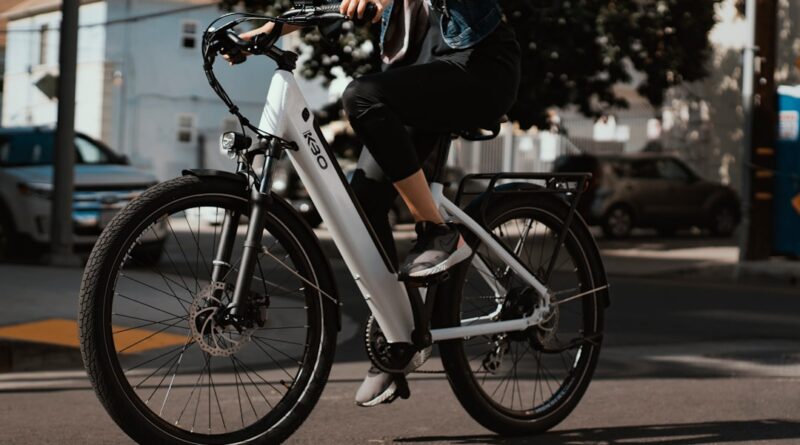
Portland Sets Guinness Record for Largest E-Bike Ride
Portland has broken the GUINNESS WORLD RECORDS title for the largest electric bicycle ride, the city announced in a news release, spotlighting a growing appetite for pedal-assist mobility in one of America’s best-known bike towns.
According to the City of Portland’s official release published in mid-July 2026, the community effort secured the world record for the largest electric bicycle ride. The announcement, carried via Portland.gov, frames the achievement as a civic milestone rather than a one-off stunt—an organized show of how many people will turn out when e-bikes are celebrated in public.
The timing matters. U.S. e-bike sales have more than quadrupled over the past five years, according to reporting on injury trends in metro Denver, where hospitals have tracked a sharp rise in e-bike and e-scooter trauma cases as the machines become commuting tools, gifts, and recreational rides. Portland’s record arrives in that same national wave: more people on electric two-wheelers, more visibility, and more questions about how cities host the boom safely.
The Guinness title does not by itself change commute patterns. It does, however, put a measurable, shareable number on collective enthusiasm—and it gives other mayors a concrete example of a mass participation event built around electric bikes rather than cars or conventional road racing.
What would turn a record e-bike ride into lasting urban mobility gains?
A single record ride makes a powerful picture. Turning that energy into everyday trips is harder—and more interesting. One path is infrastructure that matches the machines: protected lanes, clear rules at intersections, and parking that works for heavier e-bikes. Chicago’s Smart Streets camera pilot, which covers nearly 70 miles of bike lanes and has cut repeat bus- and bike-lane violations, shows how enforcement data can protect space once riders show up. Cities watching Portland could pair celebration rides with similar compliance tools so new riders keep coming back.
Obstacles remain real. Denver-area hospitals logged 149 e-bike- and e-scooter-related trauma cases so far in 2026, already above the full-year 2025 total of 133 across seven facilities, with clinicians noting concussions and other serious injuries. New Jersey has tightened age and licensing rules for e-bikes and scooters. Any city that wants to scale from a Guinness moment to routine ridership will need helmet norms, rider education, and street designs that reduce conflict—not only a parade route.
Useful evaluation data would include before-and-after counts of e-bike commute share, crash rates per mile ridden, and whether participants in the record event report still riding three and six months later. Elsewhere, the model is portable: mid-sized cities with existing bike culture could host verified mass rides, then lock in lane protection and safe-speed policies while attention is high. Delhi’s renewed EV two-wheeler subsidies illustrate another lever—purchase incentives paired with local promotion—though results there remain well below early adoption targets.
Portland’s record is a hopeful proof of turnout. The next chapter is whether cities treat that turnout as a starting line for safer streets and steadier electric cycling, not only a trophy on the shelf.
Source: City of Portland news release via Portland.gov