Vaccines Reach Millions Left Behind in Crisis Zones
A Gavi-funded drive led by the International Rescue Committee has pushed vaccines reach millions left behind in conflict-affected communities, delivering tens of millions of doses to children who national systems could not safely reach.
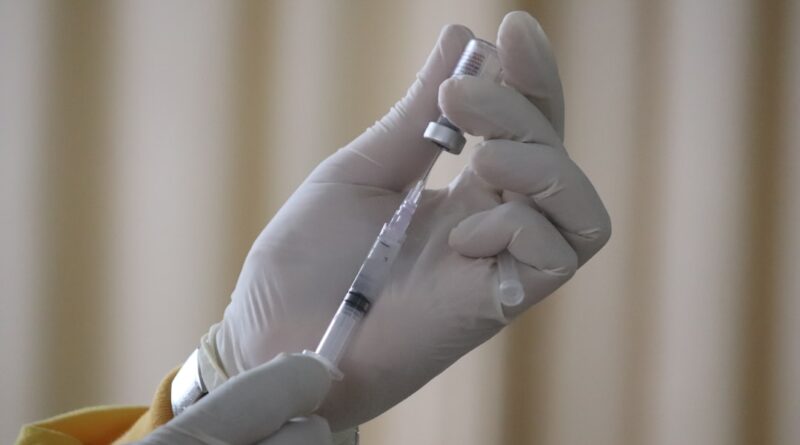
Vaccination remains one of public health’s clearest wins, yet millions of children still miss shots when conflict, displacement, or disaster cut them off from clinics. In its spring good-news roundup, the International Rescue Committee (IRC) highlighted a major push to close that gap: the Reaching Every Child in Humanitarian Settings (REACH) consortium.
Funded by Gavi, the Vaccine Alliance, and led by the IRC with local civil society partners, REACH works in Chad, Ethiopia, Somalia, Nigeria, South Sudan, and Sudan. By late 2025 the consortium had administered more than 20 million vaccine doses in these crisis settings. IRC later reported that the effort had surpassed 30 million doses and reached over 1 million “zero-dose” children—those who had never received a single vaccine. Early in the programme, only about 16 percent of 156 target communities were accessible to humanitarian actors; sustained negotiation and portable vaccine carriers later enabled delivery across those communities.
Cost discipline has improved with scale. IRC President David Miliband noted that the average cost per dose started near $3.75 in year one and averaged under $1 in 2025, below UNICEF’s standard benchmark of $2.34. A World Health Summit update in October 2025 similarly pointed to delivery costs reduced toward about $2 per dose as volumes rose. Protection has focused on routine antigens that curb outbreaks of measles, diphtheria, and other preventable diseases in fragile areas.
How can smarter tools help vaccines reach children still left behind?
The numbers show that adapted humanitarian delivery can work where government systems cannot. The open question is how far the model can stretch while funding stays tight and maps of who lives where grow outdated.
IRC’s Airbel Impact Lab is testing one practical answer. Building on REACH, Airbel is developing a tool that pairs high-resolution satellite imagery with AI-powered route planning. The aim is not to replace frontline workers—IRC Chief Innovation Officer Jeannie Annan has stressed that humans still give the vaccines—but to find children missed by outdated population estimates. Early projections suggest the approach could identify 10 to 20 percent more overlooked children and cut cost per child by 15 to 25 percent. That kind of gain would matter in places where roughly three-quarters of countries with humanitarian appeals have not held a census in more than a decade.
Obstacles remain clear. Access still depends on security and local trust. Outbreaks and displacement can erase hard-won coverage quickly, as seen when routine immunization appointments are skipped during fighting. Data that tracks how many newly identified children complete full schedules—not only first doses—would help judges of the AI tools decide whether the efficiency gains hold up over time. If they do, the same satellite-plus-route approach could support nutrition screening, outbreak detection, and other mobile services in crisis zones beyond the six REACH countries.
For readers watching global health, the signal is concrete: when vaccines, local partners, and better maps move together, children once written off as unreachable can be protected. The next test is whether those tools stay grounded in community workers and honest measurement as the model spreads.
Source: International Rescue Committee / Gavi REACH consortium